
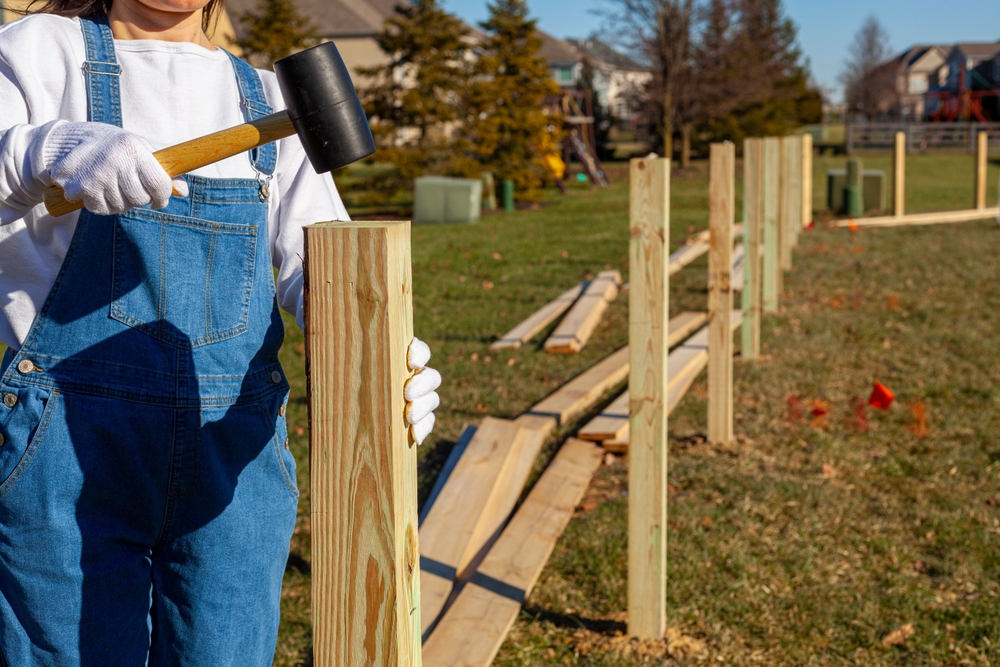
The Importance of Securing Your Fencing!
February 5, 2026 3:15 pm Leave your thoughtsA fence is more than just a border around your property. It defines your space, protects what matters most, and contributes to the overall aesthetic and value of your home. While many homeowners focus on the design or material of a fence, the real strength lies in how well it’s secured. A properly installed and reinforced fence ensures long-term performance, safety, and peace of mind. Ignoring this aspect can lead to expensive repairs, safety hazards, and diminished property value. Let’s explore the critical reasons why securing your fencing is a top priority for any homeowner.
Structural Integrity and Longevity
One of the most fundamental aspects of any fence is its structural integrity. A secure fence must withstand various environmental forces including high winds, soil shifts, and moisture exposure. Ensuring the fence can withstand high winds and soil shifts over time requires thoughtful construction practices and quality materials.
If your fence lacks proper bracing or uses inferior fasteners, it can easily bend, lean, or collapse during storms. Over time, seasonal soil movement can also cause instability. Reinforcing posts with quality materials and consistent spacing contributes to a sturdier framework. Additionally, using treated wood or corrosion-resistant metal components helps reduce long-term wear and tear. When structural integrity is maintained, your fence will not only look good but also stand strong for many years with minimal intervention.
The Role of Post-Foundation Stability
Fencing issues often begin at the ground level. The most common problem that leads to leaning or failing fences is poor post-installation. Post-foundation stability is essential for any fencing system to function as intended. This involves setting fence posts at the appropriate depth (typically 2 to 3 feet depending on fence height and soil type) and anchoring them securely with concrete.
Without adequate depth or stable footing, posts may begin to wobble or shift, particularly after heavy rain or frost heave during winter. These shifts can lead to misaligned panels, sagging gates, or even entire sections toppling over. Secure post footing using concrete ensures that your fence remains vertical and properly aligned. This not only enhances the fence’s functionality but also prevents costly rework due to premature failure.
Enhancing Perimeter Security
A fence’s primary purpose is often to serve as a barrier. Perimeter security is vital in deterring unauthorized access, preventing trespassing, and ensuring a clear division between properties. An unsecured fence with gaps, loose panels, or poor anchoring invites easy intrusion.
For residential properties, especially those in urban or suburban areas, a secure fence protects against both intentional trespassing and accidental intrusions. For businesses and rural properties, fences often serve to keep out wildlife or deter theft. By using strong latches, tamper-proof fasteners, and solid panel construction, you can create a formidable barrier that fulfills its purpose.
Securing your fencing is not just about physical boundaries. It signals to others that your property is maintained and protected, which can act as a psychological deterrent as well.
Property Value Protection
A well-secured fence does more than protect your immediate surroundings. It plays a direct role in property value protection. Prospective buyers view a sturdy, attractive fence as a valuable asset. It adds curb appeal, defines usable space, and suggests the rest of the property is equally well cared for.
On the other hand, a sagging, damaged, or unstable fence gives the impression of neglect and deferred maintenance. This perception can lower your property’s resale potential or lead to unfavorable inspection reports. Additionally, a secure fence minimizes the need for ongoing repairs or replacements, reducing long-term ownership costs. A secure, well-maintained fence acts as a long-term asset rather than a repair liability.
Investing in a strong fence with durable materials and professional installation yields both immediate functional benefits and long-term financial returns.
Ensuring Containment Reliability
If you have pets or young children, containment reliability becomes a critical concern. A secure fence is the first line of defense in keeping your loved ones safe within your property. Gaps in panels, weak gate latches, or shallow posts can lead to accidents or escapes.
Many homeowners mistakenly assume that a fence is enough on its own, but true containment reliability depends on secure installation. For example, dogs can dig under loose fence bottoms or push through unstable sections. Children may find their way through loose boards or gates that don’t latch properly.
Reinforcing the lower edge of the fence, checking for stability around the entire perimeter, and using childproof or pet-safe latches are all part of building a safe enclosure. Whether you’re guarding a backyard play area or a large field, taking steps to secure the fencing ensures that it performs its protective role effectively.
Weather Resistance and Seasonal Performance
Weather plays a powerful role in the wear and longevity of any outdoor structure. For fences, seasonal extremes such as heavy rain, snow, ice, or high UV exposure can weaken materials over time. Weather resistance is about more than choosing durable materials. It’s also about how securely those materials are fastened and treated.
Wooden fences require weatherproof coatings and sealed fasteners to resist moisture and rot. Metal fences benefit from rust-resistant finishes and reinforced joints. Secure fasteners and treatments prevent warping or hardware failure during extreme seasons. Without these precautions, panels may warp, screws can loosen, and the overall integrity of the fence suffers.
Regular maintenance such as re-treating wood, checking for rust, and tightening connections helps keep the fence secure year-round. Designing with weather resistance in mind from the start is the best way to reduce future maintenance costs and extend the life of your investment.
Liability Mitigation and Safety Considerations
When a fence collapses or a board breaks off, it’s not just inconvenient; it can be a serious safety hazard. Loose panels can fall onto sidewalks or driveways, posing injury risks to passersby. Sharp, exposed hardware or nails may injure pets or children. This makes securing your fence a key element in liability mitigation.
Homeowners may be held responsible if someone is injured due to poorly maintained fencing. A secure fence, inspected regularly for signs of wear or instability, reduces the risk of such incidents. This is particularly important if your fence borders a public space or shared property line. Whether it’s a residential or commercial property, taking preventive action through secure construction and timely repairs can significantly reduce exposure to legal and insurance-related issues.
Privacy Assurance and Peace of Mind
Many homeowners install fences not just for safety or decoration but for privacy. Whether you’re relaxing in your backyard, hosting gatherings, or simply enjoying your personal space, gaps or instability in a fence can quickly compromise your comfort. Privacy assurance depends on how well the fence is constructed and how tightly its components fit together.
Panels should be installed with minimal spacing and secured in a way that prevents them from shifting over time. Gaps between boards, sagging sections, or moving gates not only allow peeking eyes but also signal poor craftsmanship. A tightly fitted fence ensures consistent privacy and enhances your ability to enjoy outdoor spaces without interruption.
If privacy is your primary concern, secure your fence by investing in overlapping panel designs, reinforced gate systems, and regular checks to maintain alignment. The result is a secluded, quiet environment you can rely on.
Conclusion
Securing your fencing goes beyond aesthetics. It is a fundamental part of protecting your property, enhancing safety, and ensuring long-term durability. From structural integrity to privacy assurance, every aspect of fence security plays a role in how well your fence performs and how long it lasts.
Whether you are installing a new fence or maintaining an existing one, paying attention to post-foundation stability, weather resistance, and containment reliability will pay off. You reduce liability risks, safeguard your investment, and preserve your peace of mind.
A secure fence is not just a boundary; it’s a commitment to safety, value, and functionality. Prioritize it, and your property will reflect the benefits for years to come.
Need a Small Log Supplier in Lapoint, UT?
Categorised in: Tips
This post was written by admin