
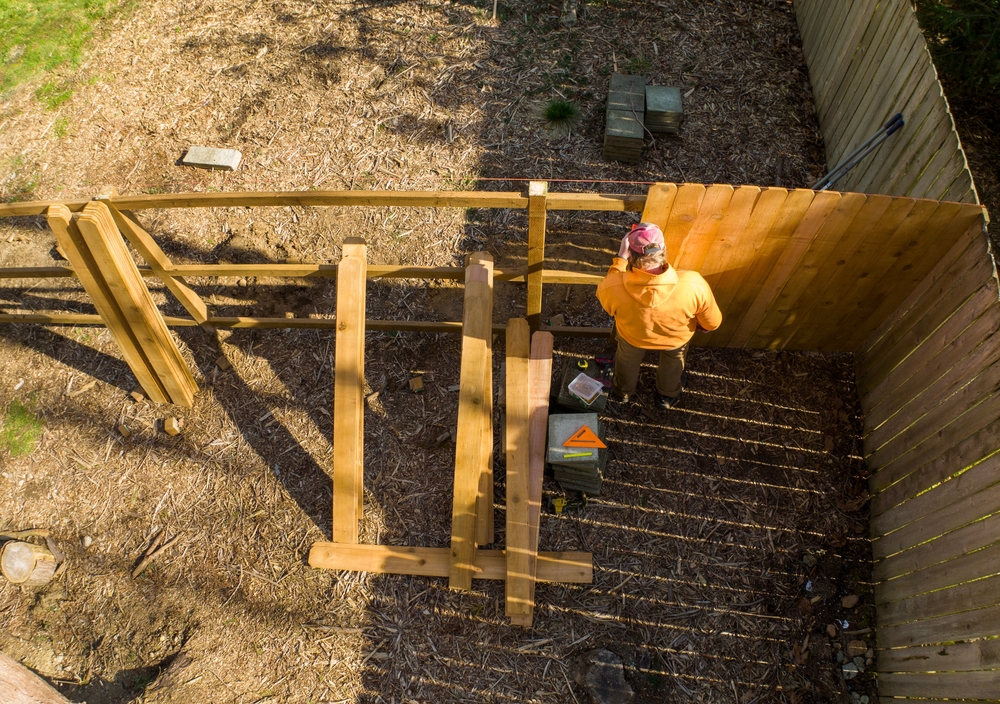
Building Your First Fence in the Spring
March 22, 2026 5:03 pm Leave your thoughtsSpring is the perfect season to tackle outdoor home improvement projects, and installing a new fence ranks high on many homeowners’ to-do lists. Whether you are upgrading your backyard fence, replacing an old fence that has seen better days, or building your very first fence, spring offers ideal weather conditions and longer daylight hours to complete your project successfully. This comprehensive outdoor fence installation guide will walk you through everything you need to know about fence installation for homeowners, from planning stages through the final post.
Planning Your Fence Project
Before you purchase a single board or call a fence contractor, take time to plan your project thoroughly. Start by measuring your property lines and determining exactly how much fencing you will need. Check your local zoning laws and homeowners association rules, as many communities have specific regulations about fence height, materials, and placement. Contact your local utility companies to locate underground lines before digging any post holes, as hitting electrical or gas lines can be dangerous and expensive.
Consider what purpose your fence will serve. Are you looking to install a new fence primarily for privacy, security, pet containment, or simply to enhance your home’s curb appeal? Your answer will influence your choice of materials and design. Think about your budget as well, since fence costs can vary dramatically depending on materials, length, and whether you choose a fence contractor or opt for DIY installation. Research local contractors and get multiple quotes if you are considering hiring professionals.
Choosing Between Fence Contractor vs. DIY Installation
One of the biggest decisions you will face when installing a new fence is whether to hire a fence contractor or tackle the project yourself. Hiring a professional contractor saves time and ensures your fence meets all local codes and regulations. Contractors have the proper tools, experience, and liability insurance to handle unexpected complications. However, professional fence installation comes at a premium price that can significantly impact your overall budget.
DIY installation allows you to save money and gives you complete control over the project timeline. If you enjoy hands-on projects and have some basic carpentry skills, fence installation for homeowners can be rewarding. However, this approach requires significant physical effort, proper tools, and a time commitment that might extend over several weekends or longer. You will need to rent or purchase equipment like post hole diggers, levels, and measuring tools. Common mistakes during DIY installation, such as misaligned posts or improper gate installation, can compromise your fence’s durability and appearance.
Consider a hybrid approach where you handle some tasks while hiring professionals for more complex work. Many homeowners successfully manage site preparation and finishing work while having contractors handle post installation, which requires precision and strength.
Backyard Fencing Ideas and Material Selection
When considering upgrading your backyard fence or replacing an old fence, you have several material options to explore. Wood remains the most popular choice for residential fences, offering natural beauty and versatility for various fence designs. Cedar and redwood resist rot and insects, making them excellent choices for longevity. Pressure-treated lumber costs less but may require more maintenance over time.
Vinyl fencing has gained popularity in recent years due to its low maintenance requirements and durability. Vinyl does not rot, splinter, or require painting, making it ideal for homeowners seeking convenience. However, vinyl carries a higher upfront cost than wood and may not suit all aesthetic preferences or climates.
Composite materials blend wood fibers with plastic to create a product that mimics wood’s appearance while offering enhanced durability. Aluminum and metal fencing provide security and a modern look but may lack privacy. Chain-link fencing remains affordable and functional, particularly for pet containment, though it offers minimal privacy.
Visit local fencing showrooms or search online for backyard fencing ideas that match your home’s style. Consider how your fence will complement your landscaping and home architecture. Think about maintenance requirements for each material and how much time and money you are willing to invest in upkeep over the years.
The Outdoor Fence Installation Guide Process
Once you have selected your materials and decided on your approach, the actual fence installation for homeowners involves several key steps. Begin by marking your fence line and using string to visualize the finished fence’s path. Mark post locations, typically spaced 6 to 8 feet apart for most residential fences.
Dig post holes to the appropriate depth, generally about one-third the height of your posts. For a 6-foot fence, this means digging approximately 2 feet deep. Use a post hole digger or power auger to make this work easier. Ensure all holes are the same depth so your fence will be level. Set your first post in concrete, allowing it to cure fully before proceeding. Concrete provides a stable foundation that prevents posts from shifting or rotting at ground level.
Working methodically from one post to the next, add your rails and panels according to your chosen fence design. Check each section with a level to ensure vertical and horizontal alignment. Install any gates before completing the final sections, as gates are difficult to add later. For wood fences, apply sealant or stain to protect against weathering and extend your fence’s lifespan.
Maintenance Tips for Long-Term Success
After completing your outdoor fence installation guide steps and finishing your new fence, establishing a maintenance routine will extend its life significantly. Wood fences benefit from annual inspection for rot, insect damage, or loose boards. Reapply sealant or stain every two to three years to protect against weather damage. Remove debris, leaves, and standing water that can accelerate deterioration.
Vinyl fences require minimal maintenance but should be cleaned occasionally with gentle soap and water to maintain their appearance. Check connections and hardware annually to ensure everything remains tight. Composite materials need periodic cleaning but rarely require staining or sealing.
Inspect gate hinges and latches regularly to ensure smooth operation. Tighten any loose bolts or hardware before they cause bigger problems. Address small damage promptly, as a single rotting board or cracked vinyl panel can compromise your entire fence’s integrity if left unattended.
Conclusion
Building your first fence in the spring is an exciting way to enhance your property and create outdoor spaces that reflect your personal style. Whether you choose to hire a fence contractor or manage the project yourself, careful planning and quality materials will ensure your fence provides years of enjoyment and functionality. Take time to explore all available options, understand the requirements specific to your location, and commit to regular maintenance for lasting results.
Need a Small Log Supplier in Lapoint, UT?
Categorised in: Wooden Fence Posts
This post was written by admin