
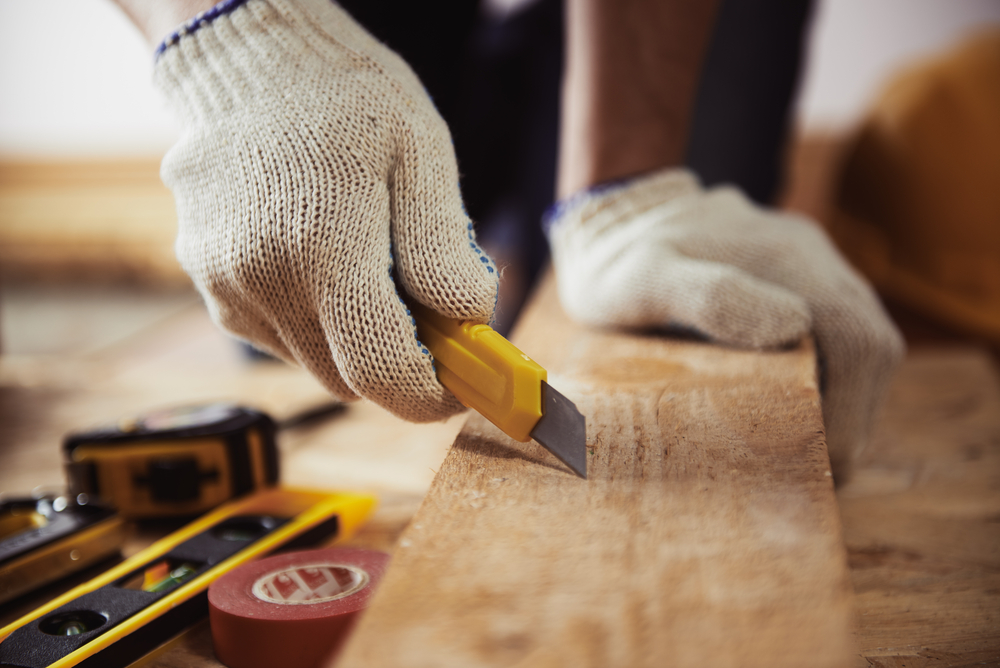
The Biggest Woodworking Hurtles!
March 22, 2026 5:03 pm Leave your thoughtsWoodworking is an incredibly rewarding hobby that allows you to create functional and beautiful items for your home and outdoor spaces. However, like any new skill, woodworking comes with its own set of challenges. Whether you’re planning your first outdoor woodworking project or looking to expand your skills in beginner woodworking for backyards, understanding the common obstacles you’ll face can help you prepare mentally and practically. This guide explores the biggest woodworking hurdles and how to overcome them as you embark on how to start woodworking outdoors.
Selecting the Right Tools and Equipment
One of the most significant hurdles beginners face when starting easy DIY outdoor furniture projects is figuring out which tools to buy. The market offers an overwhelming selection of woodworking equipment, from basic hand tools to expensive power tools. Many newcomers make the mistake of purchasing professional-grade equipment before understanding their actual needs. This approach can drain your budget quickly and leave you with tools you may never use.
The solution is to start small and build your collection gradually. For woodworking for homeowners who are just beginning, a few essential tools will suffice: a saw, measuring tape, square, clamps, and basic chisels. You don’t need a workshop full of expensive machinery to create small outdoor wood projects for beginners. Many experienced woodworkers recommend purchasing quality hand tools first because they teach you proper technique and help you understand wood grain and material properties. As you progress, you can add power tools that will enhance your efficiency and capabilities.
Understanding Wood Types and Material Selection
Another major hurdle is knowing which wood to use for your DIY backyard timber projects. Different wood species have varying levels of durability, workability, and resistance to outdoor elements. Softwoods like pine and cedar are beginner-friendly and affordable, but they require proper treatment to withstand weather. Hardwoods are more durable but can be expensive and challenging to work with as a beginner.
Weather resistance is crucial for outdoor projects. Pine may seem like an economical choice, but it will rot quickly without proper sealing. Cedar and pressure-treated lumber are better options for outdoor use because they naturally resist decay or are chemically treated for protection. When planning your first outdoor woodworking project, research the specific wood species recommended for your climate and project type. Spending time learning about material selection now will save you from disappointing results and costly mistakes later.
Managing Precision and Measurement Challenges
Precision is fundamental to successful woodworking, and this hurdle catches many beginners off guard. Creating accurate measurements, straight cuts, and properly aligned joints requires practice and attention to detail. Many novices rush through the measuring and marking process, assuming they can eyeball dimensions. This approach inevitably leads to pieces that don’t fit together properly, creating frustration and wasted materials.
Investing in quality measuring tools is essential. A reliable tape measure, combination square, and speed square will help you mark dimensions accurately. Take time to double-check every measurement before cutting. The old woodworking adage “measure twice, cut once” exists because it’s genuinely sound advice. When you’re learning beginner woodworking for backyards, being methodical about measurements will greatly improve your results. Additionally, consider making simple jigs and guides to help ensure consistent, accurate cuts. These simple devices are invaluable for achieving professional-looking results.
Learning Proper Technique and Skill Development
Perhaps the biggest hurdle is the learning curve itself. Woodworking involves understanding grain direction, appropriate tool usage, finishing techniques, and design principles. This knowledge doesn’t come naturally; it requires instruction, practice, and patience. Many beginners feel discouraged when their first projects don’t match their expectations because they underestimate the skill development required.
The key to overcoming this hurdle is to commit to learning from reliable sources. Online tutorials, woodworking classes, and instructional books can provide valuable guidance. Start with simple projects to build confidence and fundamental skills. When learning how to start woodworking outdoors, choose projects that don’t have extremely tight tolerances or complex joinery. A basic bench, simple planter boxes, or straightforward shelving are excellent starter projects. Don’t hesitate to make mistakes; they’re part of the learning process. Each project teaches you something new about wood behavior, tool handling, and design principles.
Managing Space, Safety, and Environmental Factors
Working on easy DIY outdoor furniture projects requires adequate space to operate safely and effectively. Many homeowners struggle with limited workshop areas, whether they’re working in a small garage or backyard. Space constraints can make it difficult to set up tools, organize materials, and work comfortably. Additionally, outdoor woodworking presents unique challenges related to weather conditions. Rain, extreme temperatures, and humidity can affect both your working conditions and your materials.
Safety is another critical concern that shouldn’t be ignored. Woodworking involves sharp tools, loud power tools, and potentially dangerous equipment. Without proper safety protocols and personal protective equipment, you risk serious injury. Create a dedicated workspace that meets your safety requirements, even if it’s modest. Invest in essential safety gear including safety glasses, hearing protection, and dust masks. Keep your work area organized and clean to reduce accidents. For woodworking for homeowners, understanding environmental factors is equally important. Protect your materials from moisture and extreme temperatures when possible. Allow wood to acclimate to your local humidity levels before building. If working outdoors, consider temporary shelter to protect your project from rain and harsh sunlight.
Conclusion
Starting with small outdoor wood projects for beginners is an achievable goal when you understand and prepare for these common hurdles. By approaching tool selection strategically, learning about appropriate materials, prioritizing precision, committing to skill development, and creating a safe working environment, you’ll be well-equipped to succeed. Your first outdoor woodworking project doesn’t need to be elaborate; it simply needs to teach you valuable skills and instill confidence. With patience, proper preparation, and a willingness to learn, you can overcome these obstacles and enjoy the profound satisfaction that comes from creating something beautiful and functional with your own hands.
Need a Small Log Supplier in Lapoint, UT?
Categorised in: Wood
This post was written by admin