
The Difference Between Lodgepole Pine and Other Wood Building Materials
May 5, 2026 1:51 pm Leave your thoughtsWhen it comes to selecting the right wood for a construction project, the choices can feel overwhelming. From Douglas fir to cedar to engineered lumber, each material brings its own set of trade-offs. Among all the options available to builders and craftsmen, lodgepole pine stands in a category of its own.
Whether you are planning a rustic cabin in the mountains, a ranch fence across open land, or a piece of handcrafted furniture, understanding lodgepole pine benefits and how they stack up against competing materials is essential before you make a purchase.
What Makes Lodgepole Pine Unique Among Natural Wood Poles
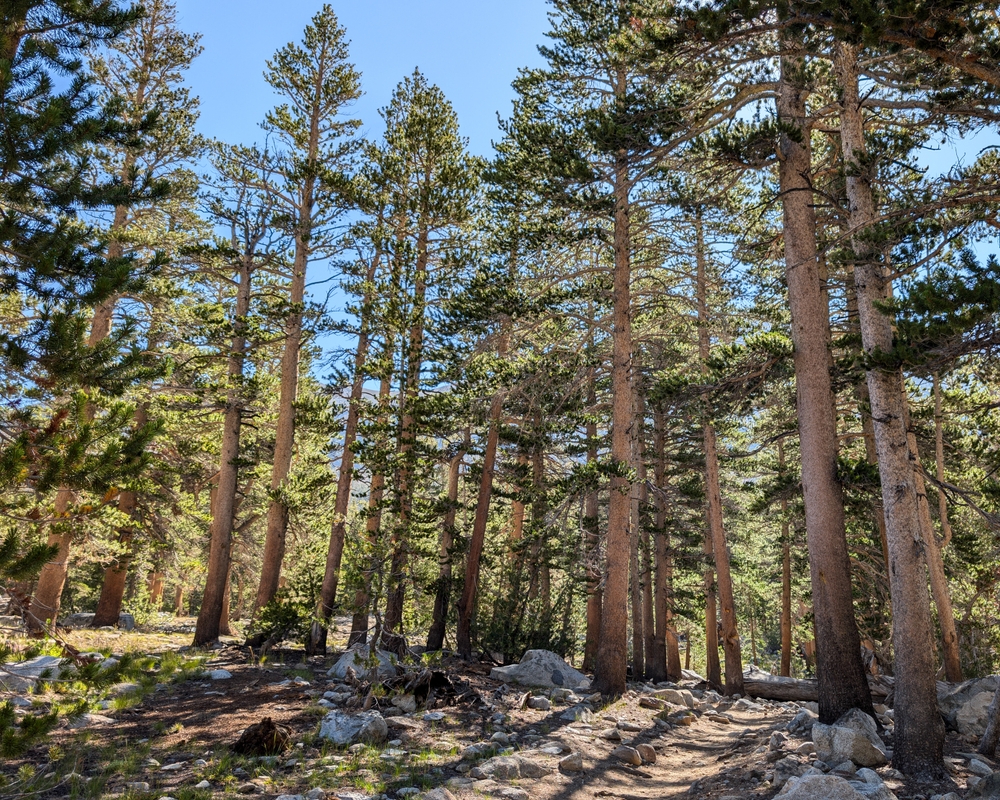
Lodgepole pines are softwood trees that are relatively sturdy, which makes them ideal for construction. In fact, lodgepole pines got their name from their use by Native American tribes as structural support for teepees and lodges. That heritage of reliability stretches across generations, and it continues to influence how builders and craftsmen use the material today.
What sets lodgepole pine apart from other natural wood poles is its combination of structural integrity and natural appearance. Lodgepole pine has a relatively straight grain, white to yellow sapwood with light, reddish-brown heartwood, and knots do not bleed through paint. It is used for interior paneling, joinery, structural timber, and poles. While lodgepole resembles other western pines in appearance, it is the strongest of the western pines, making it additionally useful for selected structural elements when a pine aesthetic is desirable.
This is a meaningful distinction. Many species can look the part but fall short under load. Lodgepole pine delivers both the visual warmth of a natural pole and the strength needed for real structural applications.
Lodgepole Pine Benefits vs. Douglas Fir and Cedar
Douglas fir is one of the most widely used framing materials in residential construction, and it earns that reputation. It is dense, stiff, and widely available in standard dimensional sizes. However, Douglas fir is primarily sold as milled, finished lumber. It does not carry the organic roundness or raw character that lodgepole pine brings to a project. Lodgepoles offer a rustic elegance that you simply cannot get out of a standard fir two-by-four.
Cedar, on the other hand, is prized for its natural resistance to decay and insects, which makes it a popular choice for decking and outdoor trim. Cedar is softer than lodgepole pine, though, and it tends to command a higher price per board foot. For large-scale outdoor projects like fencing, corrals, or pergola construction, the cost difference becomes significant quickly. The low-cost, high-durability nature of lodgepoles allows builders to enjoy a finished structure with peace of mind, which makes them a practical alternative to cedar when budget is a consideration.
Lodgepole pine posts are prized for their natural resilience and flexibility, helping structures withstand pressure, impact, and changing weather conditions. Cedar may resist rot, but lodgepole pine holds its shape and handles mechanical stress in a way that softer woods simply cannot match.
A Rustic Wood Comparison: Lodgepole Pine vs. Engineered Lumber
Engineered lumber, including laminated veneer lumber and parallel-strand lumber, has grown in popularity over the past few decades. These products are manufactured by bonding layers or strands of wood together under pressure, which creates beams with predictable, consistent strength values. For spans that demand precision and uniformity, engineered lumber is hard to beat.
That said, engineered lumber lacks something fundamental: character. It is a factory product. It looks like one, too. Builders who want the warmth and texture of natural materials find that engineered options fall flat in settings where the wood itself is part of the visual appeal.
In a rustic wood comparison, lodgepole pine holds an obvious advantage in any application where aesthetics matter alongside function. Lodge poles are selected for strength, consistency, and function rather than appearance, yet their natural form makes them ideal for projects where durability and utility are the priority. The result is a material that works hard and looks beautiful doing it, something no engineered product can fully replicate.
Lodgepole pine is used for framing, paneling, posts, corral poles, utility poles, railroad ties, and pulpwood, which speaks to the sheer range of contexts in which the material performs reliably. Engineered lumber, by contrast, is typically limited to specific structural roles and does not carry that same versatility.
Lodgepole Pine in Utah: A Natural Fit for the Region
Utah is one of the most fitting places in the country for lodgepole pine to thrive as a building material. The state’s landscapes, from the forested mountains above Salt Lake City to the open ranching country of the Uinta Basin, create constant demand for a material that can handle rugged outdoor conditions while blending naturally into the environment.
The rustic look and warm wood tones of lodge pole materials blend effortlessly with Utah’s natural scenery, giving properties a relaxed, open feel that adds definition without creating barriers, allowing builders to frame a landscape while keeping the view unobstructed.
The tradition of lodgepole furniture building in Utah is done more for artistic purposes to achieve a certain design aesthetic, since factory-milled lumber is easy and cheap. Lodgepoles, though, offer a rustic elegance that standard alternatives simply cannot provide. This is why craftsmen, ranchers, and homeowners across Utah continue to reach for lodgepole pine when they want their projects to reflect the spirit of the western landscape.
Lodge poles are widely used for fencing, landscaping, rustic construction, and agricultural projects across Northern Utah, and the demand shows no signs of slowing. As more homeowners and designers gravitate toward natural materials and authentic textures, the appeal of lodgepole pine in Utah only grows stronger.
How Lodgepole Pine Compares in Versatility and Long-Term Value
One of the strongest arguments for choosing lodgepole pine over other materials is its range of applications. Few building materials can move as fluidly from structural work to decorative use. Lodgepoles can be incorporated into landscaping as part of garden beds, walkways, or even foot bridges, and they are great for bed frames, chairs, wardrobes, and other kinds of furniture. They can be sanded and sealed to create a beautiful finished look that fits right in with the existing rustic decor of cabins or homes.
Compare that to pressure-treated pine, which is treated with chemical preservatives that make it unsuitable for interior use and limit its appeal in decorative applications. Pressure-treated lumber solves the outdoor durability problem, but it does so at the cost of flexibility and aesthetics. Lodgepole pine handles a wider range of situations naturally, without chemical additives changing the look or limiting how the material can be used.
Beyond fencing, lodge poles are also used in barn framing, livestock shelters, pergolas, entryways, landscaping, and decorative ranch projects, offering a rustic, authentic look that stands the test of time. That breadth of use translates directly into long-term value. Rather than buying one material for structural work and another for finishing details, builders can rely on lodgepole pine across multiple phases of a project.
Lodgepole pine is not only an important timber species but also a major tree cover in many scenic and recreational areas and on critical watersheds. It provides habitat and is important to local communities throughout the West. Choosing lodgepole pine supports a material tradition that is deeply connected to the landscapes and communities of the American West.
Conclusion
Lodgepole pine stands out among building materials because it combines genuine structural strength with natural beauty and remarkable versatility. Whether stacked against Douglas fir, cedar, or engineered lumber, it holds its own in performance while offering something those materials cannot: authenticity. For builders and homeowners in Utah and across the West, lodgepole pine remains one of the most honest and dependable choices available, one that respects both the craft of building and the landscapes that surround it.
Need a Small Log Supplier in Lapoint, UT?
Categorised in: Lodgepole Pine
This post was written by admin