
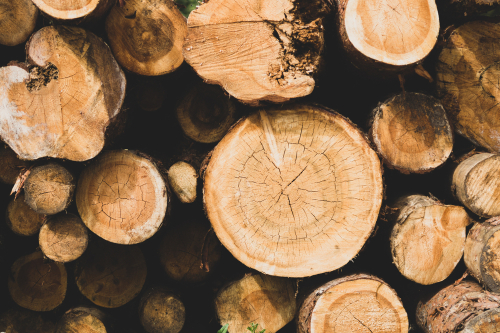
How to Season and Winterize Raw Lodgepole Timber Before Utah’s Freeze
October 3, 2026 9:41 pm Leave your thoughtsRaw lodgepole timber can lose quality quickly when fresh-cut wood, dry fall air, freezing nights, and winter moisture meet. Around Lapoint and the Uintah Basin, getting logs or timbers properly stacked and protected before sustained cold weather helps reduce checking, uneven drying, ground moisture exposure, and unnecessary weathering.
Quick answer: Season raw lodgepole timber before Utah’s freeze by getting it off the ground, spacing pieces for consistent airflow, protecting freshly cut ends, and covering the top without trapping moisture around the sides. Do not assume freezing temperatures make green timber ready for construction. Drying is a moisture-management process, and thick logs or timbers may require substantial time to reach a moisture level appropriate for their intended use.
What local readers should know
-
Raw lodgepole should be stacked on a stable, elevated base rather than directly on soil, snow, or vegetation.
-
The Uintah Basin’s dry air can encourage rapid surface and end drying, so controlling checking is an important part of seasoning.
-
A roof or top cover should shed rain and snow while leaving room for air to move around the timber.
-
Fresh end grain deserves special attention because timber can lose moisture rapidly through its ends.
-
Moisture content, timber dimensions, intended use, and storage conditions matter more than simply counting weeks or months.
Why Does Seasoning Lodgepole Timber Matter Before Winter?
Seasoning lodgepole timber before winter helps control moisture loss and dimensional change while reducing avoidable drying defects. Wood naturally exchanges moisture with the surrounding air, and the USDA Forest Products Laboratory notes that controlling drying, handling, and storage helps minimize unwanted moisture-related dimensional changes.
For property owners around Lapoint, Roosevelt, Fort Duchesne, and the wider Uintah Basin, fall can create a demanding transition. Warm, dry afternoons may be followed by cold nights, and winter eventually adds snow and prolonged freezing conditions.
Huberwoods works in Lapoint, Utah. When we discuss preparing raw timber for winter, the goal is not simply to keep snow off the wood. Good preparation gives the timber a better environment to continue drying while limiting unnecessary exposure to ground moisture and uneven weathering.
What Does Local Drying Guidance Tell Us?
Local freeze patterns and established wood-drying research both support preparing raw timber before cold weather settles into northeastern Utah. Utah State University’s Climate Center tracks first-fall freeze dates across Utah stations, showing how freeze timing varies significantly by location and elevation. That makes calendar dates less useful than watching actual conditions in the Uintah Basin.
USDA Forest Products Laboratory guidance explains that green wood contains substantial water and gradually moves toward equilibrium with surrounding temperature and relative humidity. USDA air-drying guidance also emphasizes sound stacking, aligned supports, ground clearance, and protection from precipitation.
For local timber owners, the practical takeaway is straightforward: prepare the stack before winter weather makes access, restacking, and moisture control more difficult.
How Can Winter Affect Raw Lodgepole Timber?
Winter can slow drying and expose poorly stored lodgepole timber to snow, ground moisture, and repeated moisture changes. Freezing itself does not replace proper seasoning, and a poorly built stack can remain vulnerable regardless of how cold the surrounding air becomes.
Timber stored directly on the ground can encounter soil moisture and snow accumulation. Pieces packed tightly together may dry unevenly. Exposed tops collect precipitation, while completely wrapped piles may restrict the airflow needed for continued drying.
Around Lapoint, those problems can turn an otherwise useful stack of raw timber into a more difficult material to work with later.
What Warning Signs Should Timber Owners Watch For?
Warning signs include excessive checking, trapped moisture, unstable stacking, direct ground contact, and uneven exposure across the pile. Before winter reaches the Uintah Basin, inspect raw lodgepole for conditions that could worsen during storage.
Look for:
-
Deep cracks developing from freshly cut ends.
-
Timbers resting directly against soil or vegetation.
-
Snow or rain collecting beneath a loose tarp.
-
Plastic wrapped tightly around all sides of green wood.
-
Uneven supports that allow pieces to sag or twist.
-
Pieces stacked so tightly that air cannot circulate.
-
Standing water or consistently damp material beneath the pile.
-
Noticeably different drying conditions between exposed and sheltered pieces.
When Should You Get Professional Help With Raw Timber?
Professional guidance makes sense when timber will be used structurally, moisture condition is uncertain, defects are progressing, or you are unsure how the material should be dried for its intended application. Visual inspection alone cannot always tell you what is happening inside a thick lodgepole timber.
A homeowner can safely inspect the stack, improve drainage around it, check the cover, and watch for obvious cracking or movement. Decisions involving structural suitability, grading, engineering requirements, or treatment specifications should be handled by the appropriate qualified professional.
What Commonly Causes Problems During Lodgepole Seasoning?
The most common seasoning problems come from uneven moisture loss, poor stacking, exposed end grain, and inadequate protection from precipitation. In northeastern Utah, dry air and seasonal weather changes make consistency especially important.
1. Fast end drying: End grain can lose moisture rapidly and develop checks. USDA Forest Products Laboratory research supports the use of end coatings to reduce drying defects associated with exposed ends.
2. Poor support: Irregular foundations or misaligned supports can contribute to distortion as wood dries.
3. Ground contact: Soil, vegetation, and accumulating snow can keep the bottom of a pile exposed to moisture.
4. Over-covering: Wrapping green timber tightly may protect it from precipitation while interfering with drying.
5. Uneven exposure: One side receiving strong sun or wind while another remains sheltered can create inconsistent drying conditions.
How Should You Winterize a Lodgepole Timber Stack?
Winterize lodgepole by elevating the pile, creating orderly airflow, protecting vulnerable ends, and installing a top cover that sheds precipitation without sealing the sides. The best time to correct storage problems is before snow and frozen ground make the job harder.
Start with a firm, level base. Keep the timber elevated enough to avoid direct contact with soil and vegetation. Arrange pieces so air can move through the stack, using consistent supports or spacers appropriate for the timber dimensions.
Keep the stack straight and stable. Protect fresh end grain where appropriate, and place a secure roof or cover above the pile. Extend that protection enough to shed rain and snow, but avoid enclosing green timber in an airtight envelope.
In Lapoint, fall preparation should also include checking drainage around the storage location so melting snow does not collect underneath the pile.
What Results Can You Expect From Proper Seasoning?
Proper seasoning creates more controlled moisture loss and can reduce preventable checking, warping, and dimensional surprises, but it does not make raw timber defect-free. Wood is a natural material, and individual pieces respond differently according to dimensions, grain, initial moisture, exposure, and final use.
The goal is controlled drying rather than simply fast drying. A moisture meter can provide much better information than appearance alone when deciding whether wood has reached an appropriate condition for its next use.
What Seasoning Mistakes Should You Avoid?
The biggest mistakes are sealing green wood too tightly, leaving it on the ground, rushing drying, and assuming winter automatically seasons timber.
Mistake: Wrapping the entire pile in plastic.
Consequence: Moisture may become trapped with inadequate ventilation.
Better approach: Protect the top from precipitation while maintaining side airflow.
Mistake: Stacking directly on Uintah Basin soil.
Consequence: The lowest timbers remain vulnerable to ground moisture.
Better approach: Build a stable, elevated foundation.
Mistake: Ignoring fresh ends.
Consequence: Rapid end drying can contribute to checking.
Better approach: Address fresh end grain early rather than after deep checks appear.
Mistake: Drying by calendar alone.
Consequence: Thick timber may still contain substantial moisture.
Better approach: Evaluate moisture condition and intended use instead of assuming a fixed drying period.
What Is a Common Lapoint Timber Storage Scenario?
A common local scenario is raw lodgepole arriving in late summer or early fall while the owner plans a future cabin, fence, outbuilding, or other timber project. The pile may initially be placed wherever unloading is easiest, sometimes directly on uneven ground.
Before winter, the better approach is to establish a stable storage area, elevate and organize the timber, address vulnerable ends, improve airflow, and add overhead weather protection. That gives the material a more controlled environment through a Uintah County winter.
What Timber Services Can Help?
Timber-related services can help property owners choose and prepare material that fits their project instead of treating every lodgepole piece the same way. Dimensions, condition, moisture, intended application, and finishing plans all influence what should happen next.
At Huberwoods, we can discuss available timber options and project needs without assuming one drying or preparation method fits every application.
Should You Season Lodgepole Yourself or Seek Guidance?
DIY seasoning can work for straightforward storage when you understand airflow, stacking, weather protection, and moisture monitoring, while professional guidance becomes more valuable when the final application has structural or specialized requirements.
For basic storage near Lapoint, owners can handle tasks such as elevating a pile, maintaining a sound cover, and monitoring visible changes. If you need to determine whether material is suitable for a particular building application, do not substitute a visual DIY assessment for required grading, engineering, or code guidance.
What Areas Face Similar Winter Timber Conditions?
Communities across the Uintah Basin face the same broad challenge of preparing raw wood for cold, snow, and changing seasonal moisture conditions. Our primary location is Lapoint, with nearby communities including Roosevelt, Fort Duchesne, Vernal, and other parts of Uintah and Duchesne counties sharing northeastern Utah’s pronounced seasonal changes.
What Can Happen If Raw Timber Is Left Unprepared?
Leaving raw timber poorly stacked through winter can increase the likelihood of uneven drying, moisture exposure, checking, distortion, and extra preparation before the wood can be used. The risk is especially avoidable when problems such as ground contact or inadequate covering are corrected before snow accumulates.
The objective is not to rush the timber. It is to protect the value and usability of the material while allowing seasoning to continue appropriately.
FAQ About Seasoning Lodgepole Timber in Utah
When should I start winterizing raw timber in Lapoint?
Start before regular freezing weather and snow make the pile difficult to access or rebuild. Utah freeze timing varies by location and elevation, so residents should watch local conditions rather than depend on a single statewide date. Early fall is a practical time to inspect stacking, drainage, end protection, and overhead coverage.
Can lodgepole timber continue drying during a Utah winter?
Yes, wood can continue exchanging moisture with surrounding air, but drying conditions change considerably with temperature and humidity. Winter should not be treated as a shortcut for seasoning. Proper stacking and weather protection remain important throughout storage, especially when timber will be used for a future building or woodworking project.
Should I completely tarp raw lodgepole in Lapoint?
No, green timber generally should not be sealed inside an airtight tarp enclosure. A better arrangement protects the top from snow and rain while allowing ventilation around the sides. The exact setup depends on the pile, exposure, and site, but both precipitation protection and airflow need consideration.
Should lodgepole timber sit directly on the ground?
No, raw timber should generally be elevated on a stable foundation rather than stored directly against soil or vegetation. Around the Uintah Basin, elevation also helps separate the bottom courses from snow accumulation, runoff, and wet ground during winter and spring thaw.
How do I know when lodgepole is dry enough to use?
Measure moisture rather than relying only on color, weight, or time in the stack. The appropriate moisture level depends on the timber’s intended use and environment. Structural applications may also involve grading, engineering, code, or other requirements that moisture measurement alone cannot satisfy.
Does freezing stop lodgepole timber from checking?
No, freezing weather does not eliminate the causes of drying checks. Checking is closely related to moisture movement and drying stresses. Fresh ends are particularly vulnerable, which is why prompt end protection and controlled drying practices can be useful before northeastern Utah enters sustained winter conditions.
Can I season lodgepole timber outdoors in Uintah County?
Yes, outdoor air seasoning is possible when the pile is properly built and protected. Use a stable foundation, orderly spacing, good airflow, and overhead precipitation protection. Site drainage also matters because snowmelt or runoff beneath an otherwise well-built stack can create unnecessary moisture exposure.
How long does raw lodgepole take to season?
There is no reliable single drying time for every raw lodgepole timber. Diameter or thickness, initial moisture, whether material is round or sawn, stacking, airflow, weather, and intended use all affect the process. Moisture readings provide more useful information than assuming timber is ready after a predetermined number of months.
Prepare Your Lodgepole Timber for a Uintah Basin Winter
Good winter preparation gives raw lodgepole a better environment for controlled seasoning through northeastern Utah’s cold season. For Lapoint property owners, the priorities are simple: keep timber off the ground, manage airflow, protect exposed ends where appropriate, shed snow and rain, and monitor moisture instead of guessing.
Protect Your Timber Now and Plan for the Project Ahead
We can help you explore lodgepole timber options with your intended project and local conditions in mind.
Categorised in: Lodgepoles, Timber
This post was written by admin