
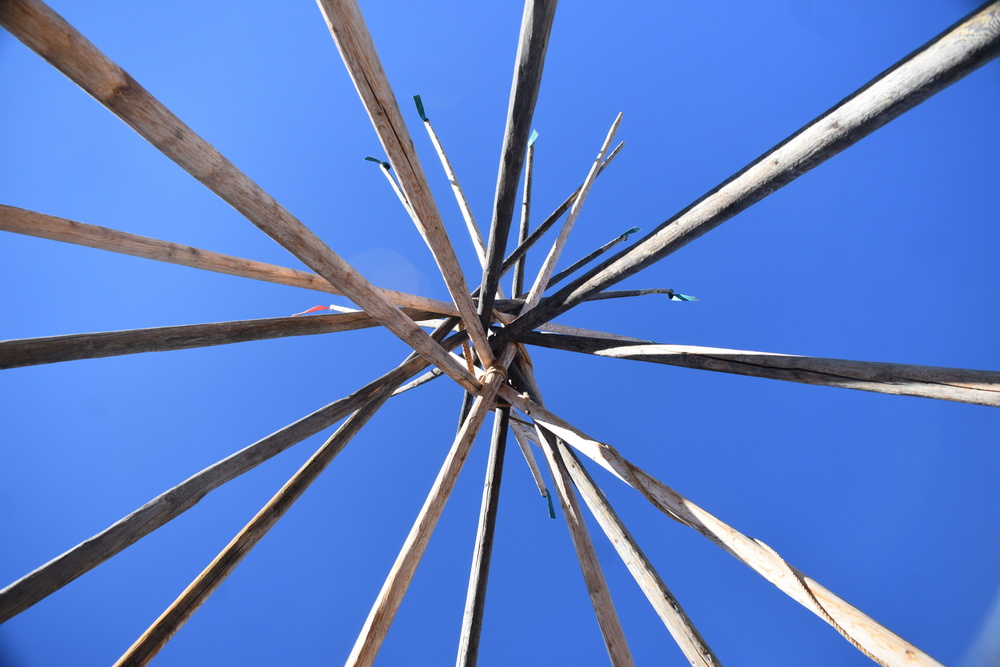
Choosing the Right Wooden Teepee Poles for Durability and Authenticity
May 25, 2026 1:51 pm Leave your thoughtsIf you are building a traditional teepee, one of the most important decisions you will make is choosing the right wooden teepee poles. The poles are not just structural elements; they are the backbone of the entire shelter, and the quality of the wood you select will determine how long your teepee lasts, how well it performs in varying weather conditions, and how closely it honors the craftsmanship of Indigenous builders who perfected this design over centuries.
So, whether you are constructing a teepee for ceremonial use, outdoor recreation, or as a permanent backyard structure, understanding what makes a great pole is essential before you buy.
Why Natural Lodgepole Teepee Poles Are the Gold Standard
Not all wood is created equal when it comes to teepee construction. Natural lodgepole teepee poles have been the preferred choice for centuries, and for good reason. Lodgepole pine (Pinus contorta) grows in tall, straight stands across the Rocky Mountain region, producing naturally slim, lightweight, and remarkably strong shafts. These trees grow in dense forests where competition for sunlight forces them upward rather than outward, resulting in minimal taper and a consistent diameter from base to tip.
This natural shape is precisely what makes lodgepole pine so well-suited for teepee construction. A pole that tapers too aggressively at the top will create an uneven load distribution at the apex of the teepee, which puts stress on the lashing and can cause the entire structure to shift or collapse over time. Natural lodgepole teepee poles offer a relatively uniform taper that allows them to stack cleanly at the top and lean outward with balanced tension, the same mechanical principle that has kept this style of shelter standing through centuries of use on the Great Plains and in mountainous terrain.
Beyond the structural advantages, there is an authenticity argument to be made for using natural wood over synthetic or chemically treated alternatives. Many teepee builders and educators who work to preserve Indigenous cultural traditions strongly prefer poles that reflect the materials originally used. Using natural lodgepole teepee poles connects your build to that history in a tangible and respectful way.
What to Look for When Evaluating a Teepee Pole Supplier
Choosing the right teepee pole supplier is just as important as choosing the right wood species. A reliable supplier will offer poles that are properly harvested, dried, and prepared for long-term outdoor use. Here is what you should evaluate before committing to a purchase.
First, ask about the drying process. Green or freshly cut wood contains a high moisture content that will cause the poles to warp, crack, and check as the wood loses moisture unevenly. A reputable teepee pole supplier will air-dry or kiln-dry their poles before sale, ensuring dimensional stability once the poles are in use. Warped or cracked poles compromise both the appearance and the structural integrity of your teepee.
Second, evaluate the straightness of the poles. Even a slight bow in a pole will create problems when you are setting the structure. Slight inconsistencies may be acceptable in shorter poles, but for teepees requiring poles in the 18-foot to 25-foot range, straightness becomes critical. Ask your supplier about how they grade their poles and whether they sort by straightness and taper before shipping.
Third, inquire about surface preparation. Many buyers prefer poles that are peeled and lightly sanded, which removes the outer bark and cambium layer, reducing the habitat for insects and minimizing surface decay. A well-prepared pole will also accept a protective oil or sealant more readily if you choose to apply one.
Fourth, consider how the supplier sources their timber. Responsible harvesting practices matter both ecologically and legally. A trustworthy teepee pole supplier will be able to explain where their wood comes from and confirm that harvesting complies with applicable forestry regulations.
Why Utah Is a Prime Source for Quality Wooden Teepee Poles
Utah may not be the first place that comes to mind when you think of lodgepole pine, but the state and its neighboring Rocky Mountain region are actually excellent sources for high-quality wooden teepee poles. The forests of northern Utah, along with adjacent areas of Idaho, Wyoming, and Montana, contain substantial lodgepole pine stands that produce some of the straightest and most durable poles available anywhere in the country.
The elevation and climate in these Rocky Mountain forests play a major role in the quality of the timber. Trees grown at higher elevations tend to develop tighter grain patterns because the shorter growing seasons slow annual growth. Tight-grained wood is denser, stronger, and more resistant to weathering than fast-grown, wide-grained wood. This is why wooden teepee poles sourced from Utah and the broader Intermountain West are so highly regarded among serious builders and cultural educators alike.
Sourcing from Utah also has practical advantages for customers across the western United States. Shipping long poles is a logistical challenge, and working with a regional supplier reduces both freight costs and transit time. For buyers in the Southwest, California, Nevada, and surrounding states, a Utah-based teepee pole supplier offers a reasonable and cost-effective shipping solution compared to sourcing from the Pacific Northwest or the upper Midwest.
Additionally, some Utah suppliers operate smaller, family-run businesses that take genuine pride in their product. Working with a smaller operation often means more direct communication, better customer service, and a greater willingness to accommodate custom orders or specific sizing requests.
How to Care for and Preserve Your Wooden Teepee Poles
Even the highest-quality wooden teepee poles require proper care to achieve their maximum lifespan. Left unprotected and improperly stored, even excellent lodgepole pine poles will deteriorate far sooner than they should. A few straightforward maintenance practices can dramatically extend the life of your investment.
When the teepee is not in use, store the poles horizontally and off the ground. Storing poles vertically for long periods can introduce stress and slight bowing over time. Horizontal storage on a rack, in a barn, or under a covered overhang allows the weight to distribute evenly along the length of the pole.
Keep the poles as dry as possible during storage. Prolonged exposure to moisture accelerates rot and fungal growth, particularly at the ends where the end grain is exposed. If you store poles outdoors, elevate them off the soil and ensure they have adequate airflow on all sides. Covering them with a breathable tarp rather than solid plastic will help prevent moisture from becoming trapped against the wood.
If you want to extend the life of your poles and protect them from UV exposure and moisture, consider applying a penetrating oil such as linseed oil or tung oil. These finishes soak into the wood rather than forming a surface film, which means they will not peel or crack. Reapply once a year or whenever the wood appears dry and gray.
Inspect your poles at the beginning of each season for cracks, soft spots, or signs of insect damage. Small surface checks are normal as wood adjusts to seasonal humidity changes, but deep splits or areas of soft, punky wood are signs that a pole should be retired before it fails under load.
Conclusion
Choosing the right wooden teepee poles is a decision that deserves careful thought and research. From selecting natural lodgepole teepee poles for their structural and cultural integrity, to partnering with a trustworthy teepee pole supplier based in Utah or the broader Rocky Mountain region, every choice you make contributes to a structure that is safe, durable, and authentically built. Take the time to source quality materials, care for them properly, and your teepee will serve you for many years to come.
Need a Small Log Supplier in Lapoint, UT?
Categorised in: Teepee Poles
This post was written by admin