
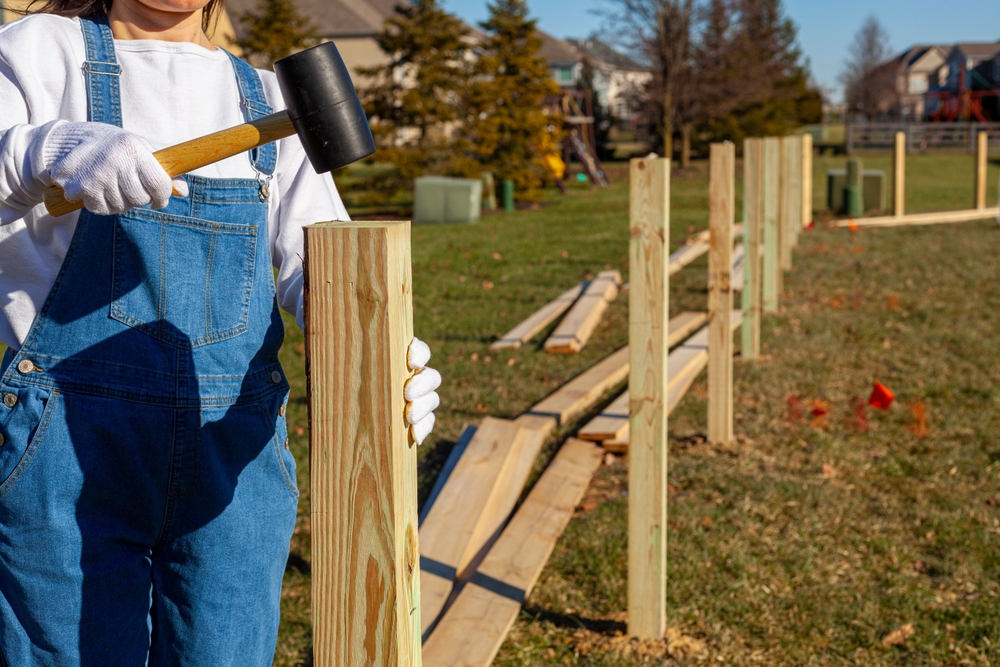
Why Wooden Fence Posts Are Still a Popular Choice for Ranches and Properties
June 2, 2026 1:51 pm Leave your thoughtsAcross the American West, few sights are as familiar as a well-built wooden fence stretching across rolling pastures and open ranch land. Whether you are managing a sprawling cattle operation in Utah or defining the boundaries of a modest rural property, the choice of fencing material matters more than most people realize. While metal and vinyl alternatives have grown in availability, wooden fence posts remain a top selection for ranchers, farmers, and property owners who value a combination of practicality, natural beauty, and proven performance.
Understanding why so many people continue to choose wood over competing materials helps paint a clear picture of what makes this traditional option worth considering today.
The Timeless Appeal of Wood in Ranch Settings
There is something deeply rooted in the connection between wooden fence posts and ranch culture. Long before synthetic materials entered the market, ranchers across Utah and the broader West relied on wood to contain livestock, define property lines, and create the kind of structured landscapes that efficient ranch operations require. That tradition has not faded. Wooden ranch fencing offers natural beauty, versatility in design, and a proven history of use on farms and ranches across the country.
The visual character of a wooden fence is something that no plastic or metal alternative has fully replicated. Wooden fence posts complement wood fencing beautifully, creating seamless style and a cohesive outdoor appearance, with their natural finish enhancing both traditional and contemporary landscapes. For ranches and rural properties in Utah, where the landscape itself is a defining feature, a fence that blends naturally into the surroundings rather than clashing with it carries real value. That sense of visual harmony is something property owners notice right away, and it contributes meaningfully to how a property is perceived by visitors, buyers, and neighbors alike.
Choosing the Right Wood for Durable Wood Fence Posts
Not all wooden fence posts are created equal, and selecting the right species is one of the most important decisions a property owner can make when planning a fencing project. The difference between a post that lasts a decade and one that lasts three decades often comes down to the type of wood used and how it has been treated.
Cedar fence panels and posts are extremely durable and decay resistant, and cedar’s long-lasting quality and resistance to insects and the elements is what makes this wood fencing a popular selection. For ranch fencing materials in Utah, where conditions can shift from dry desert heat to cold mountain winters, that kind of natural resilience is a genuine advantage. Cedar does not require chemical treatment to perform well in outdoor environments, which also makes it a preferred choice on properties where livestock or crops are present.
Pressure treated fence posts are a popular choice for wood fencing due to their affordability and ability to withstand the elements, as these posts are made from pine or other softwoods that have been chemically treated to resist rot, decay, and insect damage. For property owners working with a tighter budget, pressure treated posts offer durable wood fence posts at a price point that cedar cannot always match.
Black locust is considered one of the most long-lasting and eco-friendly options, with natural resistance to rot and decay. Oak is another hardwood worth considering: oak and other hardwood fencing, like locust, are very durable and long lasting, particularly when treated wood is used, and oak is also a very traditional option for ranch fencing because of its durability.
How Utah’s Landscape Shapes Ranch Fencing Materials Decisions
Utah presents a uniquely varied set of conditions for anyone installing wooden fence posts. The state spans desert valleys, mountain foothills, and high-altitude plains, and each environment creates its own challenges for fencing. Utah’s terrain includes everything from sandy desert soil to dense clay and rocky mountain earth, and each type brings its own challenges for wooden fence post installation.
Clay soil is particularly important to understand in many Utah communities. Clay retains water and can cause wood posts to rot faster, and it also expands when wet and contracts when dry, leading to ground shifts that may push posts out of alignment. Installing fence posts in clay typically requires deeper holes, gravel for drainage, and strong concrete anchoring to minimize movement and moisture exposure.
Sandy soil, on the other hand, drains well and tends to be gentler on wooden fence posts over time. No matter the soil type, materials like cedar or pressure treated pine improve longevity when paired with the right soil strategies, and for extra protection, sealing the bottom third of the post with a waterproofing sealant before installation can minimize rot risk.
Understanding the terrain is not just about preserving the wood; it is also about ensuring that ranch fencing materials are installed in a way that holds up to the physical demands of containing livestock. A post that shifts or loosens in unstable soil creates safety risks for animals and costly repair needs for property owners. Choosing wood species and installation methods suited to local conditions is how ranchers in Utah get the most from their investment in wooden fence posts.
Maintaining and Reinforcing Wooden Fence Posts for Long-Term Performance
One of the most common questions people ask about wooden fence posts is how long they can reasonably expect them to last. The answer depends heavily on maintenance habits and the quality of the original installation. Wooden ranch fencing requires regular attention to maximize its 15 to 20 year potential lifespan. Inspecting it twice yearly for rot or damage, especially at ground level, and applying a new coat of weather-resistant stain or paint every two to three years helps extend its life. Replacing damaged boards promptly before problems spread and keeping vegetation cleared from the fence line to prevent moisture buildup also play important roles.
Beyond routine maintenance, property owners can take additional steps to extend the life of their wooden posts significantly. For wooden fence posts, composite sleeve protection offers the best defense against rot and decay, and fiberglass sleeves can extend post life by over 15 years by creating a moisture barrier. Concrete collars provide excellent stability without full concrete setting, while gravel footings improve drainage.
Post sleeves are designed to fit snugly around the post, shielding it from weathering and extending its lifespan, and with post sleeves, property owners can prevent rot and decay, ensuring the fence remains structurally sound and visually appealing for years.
These reinforcement options make durable wood fence posts even more competitive with metal and vinyl alternatives. The upfront cost of wood combined with smart protective measures can result in a fencing system that performs reliably for decades without the visual coldness of industrial materials.
Property Value and Practical Benefits Worth Considering
Beyond function, wooden fence posts contribute to property value in ways that other fencing materials sometimes do not. A well-designed ranch style fence can significantly boost property value, often returning 50 to 70 percent of the investment immediately in added value. That kind of return makes the choice of quality ranch fencing materials more than a purely practical decision; it becomes a smart financial one.
Wood fence posts are suitable for privacy fences, decorative picket fences, split-rail fences, and garden enclosures, adapting to numerous outdoor fencing projects and landscaping needs. That flexibility is especially valuable on ranch properties where fencing serves multiple purposes: containing horses, separating pastures, securing perimeters, and marking property lines may all require different fence styles anchored by the same type of post.
Natural cedar logs make a beautiful, safe, and effective fence on a ranch, and split rail fencing made from either cedar or a hardwood like oak is safer for animals because there is no need for staples or nails that can damage an animal’s mouth if they chew on the fencing. For horse owners and livestock managers in Utah, that safety consideration is not a minor detail.
Conclusion
Wooden fence posts have remained a go-to choice for ranches and properties in Utah and across the West because they deliver a combination of natural beauty, reliable strength, and adaptability that other materials struggle to match. With the right wood species, proper installation suited to local soil conditions, and consistent maintenance, durable wood fence posts can serve a property for generations. Whether you are installing new ranch fencing materials for the first time or replacing an aging fence line, wood remains one of the most dependable and visually rewarding options available.
Need a Small Log Supplier in Lapoint, UT?
Categorised in: Wooden Fence Posts
This post was written by admin